Explore Banana Prompts
Discover the perfect AI prompt templates, categorized for your creative needs.
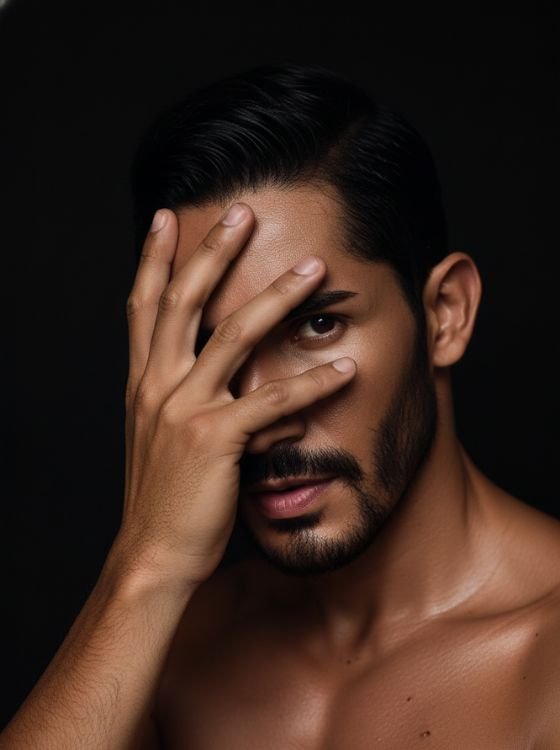
Create a high-detail, realistic portrait using the uploaded photo as the main reference. Preserve the subject’s exact facial structure, skin texture, and identity. The subject should partially cover one side of the face with their hand, leaving one eye and part of the expression visible. The pose should feel intentional and expressive, creating a sense of mystery and emotional depth. Use dramatic, directional lighting to shape the face and hand, producing strong highlights and deep shadows. The lighting should feel cinematic and sculptural rather than flat. Keep the composition minimal and focused, with no distracting elements. The background should be dark and simple, allowing the subject’s expression and gesture to remain the focal point. Style the image as a photorealistic, cinematic vertical portrait with high contrast, sharp facial details, and an intense, moody atmosphere. Vertical aspect ratio (9:16), realistic and professional finish.

Create a professional corporate portrait using the uploaded photo as the main reference. Preserve the subject’s exact facial structure, skin tone, hair details, and identity with realistic accuracy. Style the subject in a formal corporate look, wearing a well-fitted suit or blazer with a clean shirt. The appearance should feel polished, confident, and suitable for a professional office environment. Place the subject inside a modern office setting with a clean, minimal background. The environment may include soft-focus elements like glass walls, desks, or office interiors, without distracting from the subject. Use soft professional lighting similar to corporate headshots, evenly illuminating the face with natural skin tones and gentle shadows. Final image should look like a high-quality corporate headshot — realistic colors, sharp focus, clean background, professional posture, and confident expression. Vertical portrait orientation (1080×1920), office-style photography.
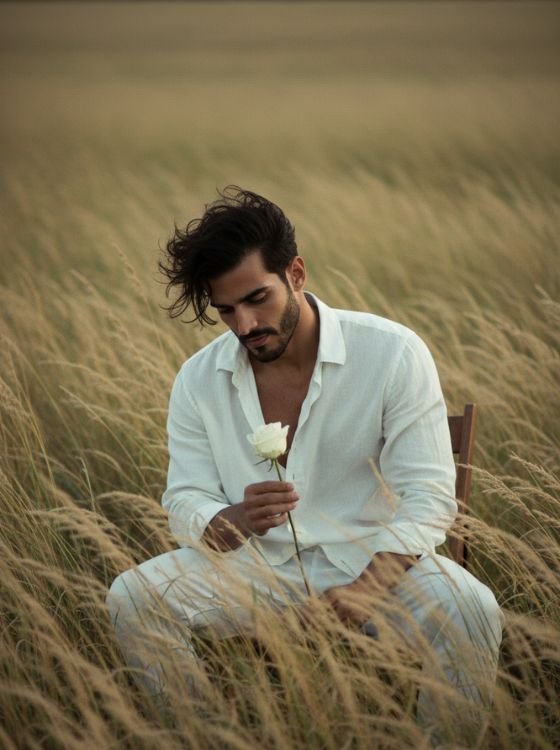
Use the attached photo to create a cinematic editorial portrait of a man sitting on a simple chair in vast, . Tall grass moves like ocean waves, partially obscuring him. He wears a loose white shirt, holding a single white rose. Messy dark hair blows in wind, head tilted down, calm melancholic mood. telephoto look, shallow depth, film grain, atmospheric, poetic, no text, award-winning imagery
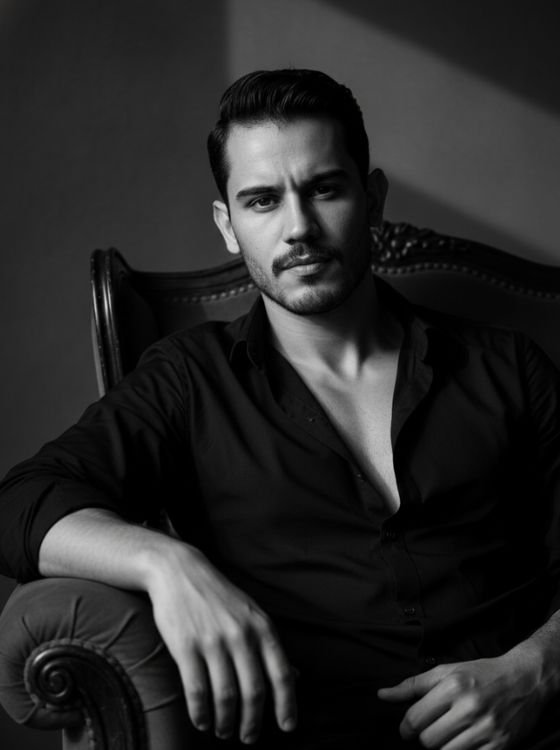
Create a cinematic black and white portrait using the uploaded photo as the main reference. Preserve the subject’s exact facial structure, skin texture, hair details, and identity without stylization or distortion. Place the subject seated on a large, elegant chair with a commanding presence, similar to a scene from a classic film. The chair should feel substantial and cinematic, with visible armrests and subtle texture, while keeping the focus on the subject. The subject should sit confidently, leaning slightly back with a relaxed but powerful posture. One arm rests on the armrest of the chair, while the other is positioned naturally, conveying control, confidence, and calm authority. Use dramatic side lighting and low-key illumination to create strong contrast, deep shadows, and sculpted highlights across the face and upper body. Light should fall from one side, leaving the opposite side partially in shadow for a cinematic, moody look. The background should be dark and atmospheric, with minimal detail — a subtle textured wall or faint shadows to add depth without distraction. Style the image as a high-end cinematic black and white film still. Add fine film grain, rich grayscale tones, sharp focus on the eyes, realistic proportions, and a timeless, dramatic mood. Pure monochrome, no color tint, professional studio quality, vertical portrait orientation (1080×1920), cinematic realism.
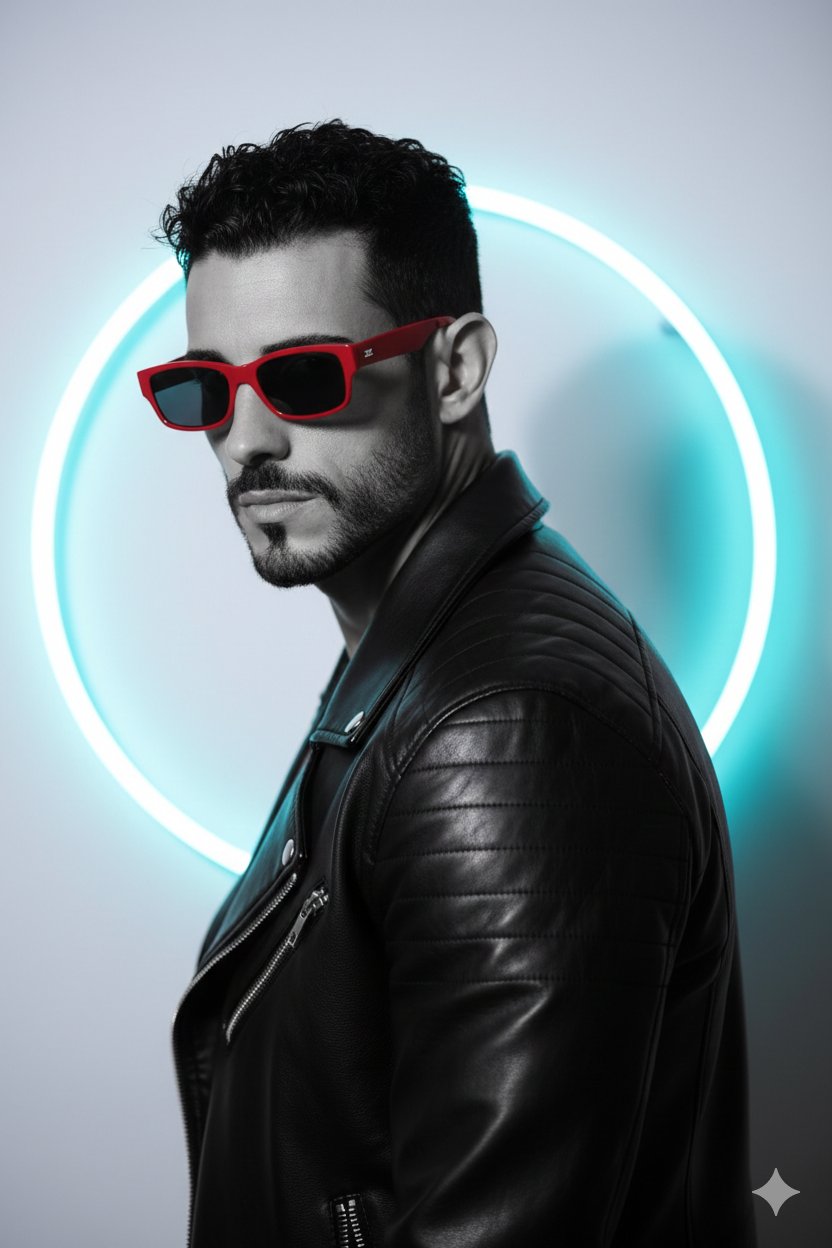
Use 100% face above uploaded photo Black and white fashion portrait of a handsome young man in last 27s with black hair and black beard like uploaded photo.looking over his shoulder. He is wearing a stylish black leather jacket and modern rectangular red sunglasses.The background is a seamless, minimalist white studio backdrop with blue circle ring . The lighting is dramatic high-contrast studio lighting, creating sharp focus and
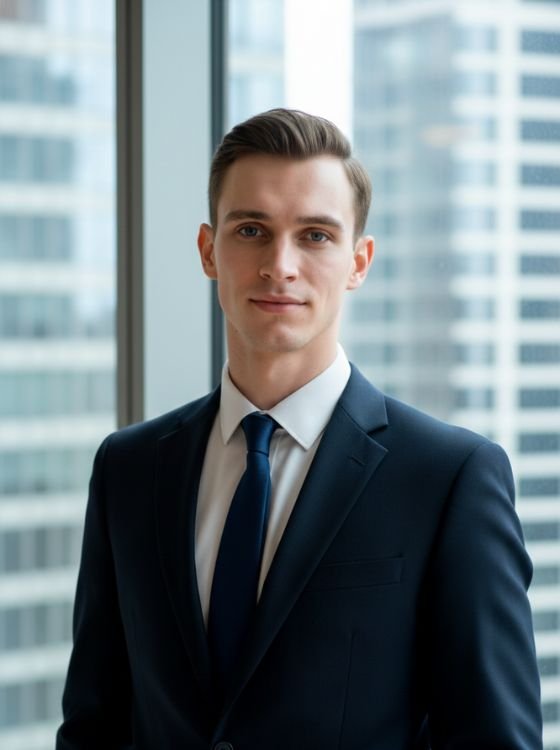
Create a professional corporate portrait using the uploaded photo as the main subject. Keep the subject’s facial features, expression, and identity exactly as in the original photo. Dress the subject in formal business attire such as a suit, blazer, or professional dress. The overall look should feel executive and confident. Place the subject standing near a large office window with a soft city skyline or office buildings visible in the background. The background should be slightly blurred to maintain focus on the subject. Use natural daylight coming from the window to create a clean, professional look with balanced lighting and realistic colors. The final image should resemble a LinkedIn or corporate profile photo — modern, sharp, professional, and trustworthy. Vertical portrait orientation (1080×1920), realistic corporate photography style.
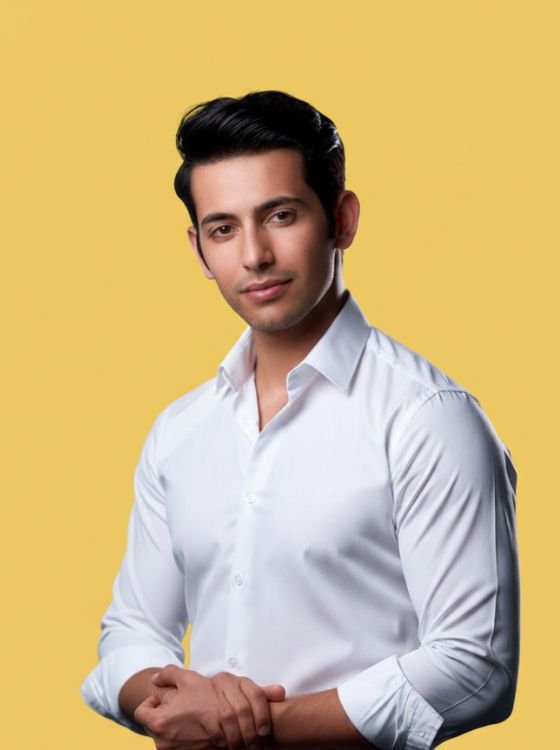
Create a clean and modern profile photo using the uploaded image as the main reference. Preserve the subject’s exact facial structure, skin tone, hair details, and identity with realistic accuracy. Remove the original background and replace it with a solid, smooth plain yellow background. The background should be evenly lit, clean, and distraction-free. The subject should be centered in the frame, facing the camera with a natural and friendly expression. Use soft, even lighting to keep the face well-lit with natural skin tones and minimal shadows. Final image should look like a high-quality profile picture — sharp face focus, clean background, modern look, realistic colors. Vertical or square format, professional and social-media–ready.
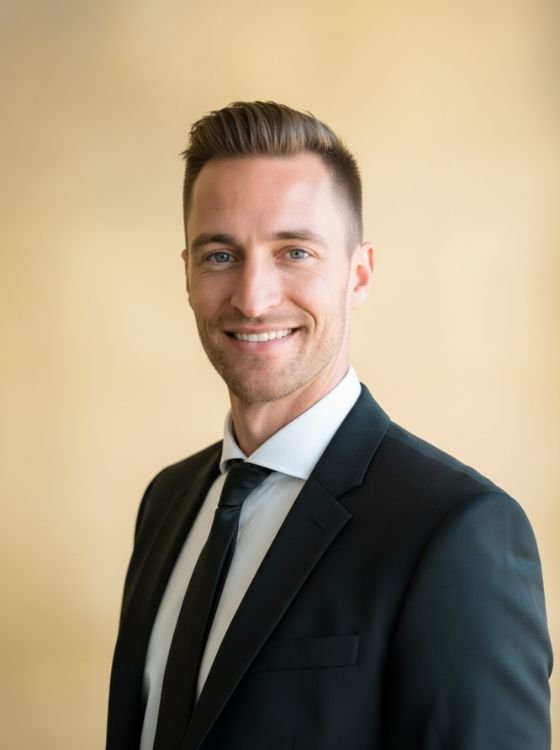
Create a clean studio-style profile photo using the uploaded image as the main reference. Preserve the subject’s identity, facial structure, and natural appearance. Remove the background and replace it with a minimal, softly blurred background in warm yellow tones, adding slight depth while keeping the focus on the face. The subject should face the camera directly with a friendly, natural expression. Use balanced studio lighting to avoid harsh shadows and keep the look simple and professional. Final image should appear modern, minimal, and profile-ready — clean colors, sharp face focus, and distraction-free background.
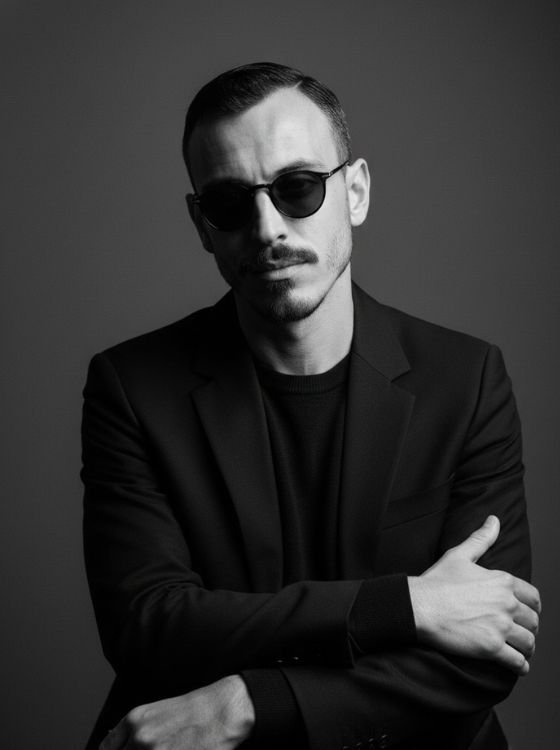
Recreate this portrait using my uploaded photo as the primary reference. Keep the overall framing, pose, lighting direction, and cinematic mood similar to the reference, while preserving the subject’s exact facial structure, skin texture, and identity. The composition should feature a half-length male portrait, with the subject seated and leaning slightly forward. One arm should cross the body naturally, while the other hand rests gently on the opposite arm, creating a calm, elegant, and confident posture. The facial expression should feel composed and confident, with a subtle sense of mystery. The subject should look directly toward the camera, lips relaxed, posture firm, and presence strong. The subject should wear a dark, refined outfit — a structured black blazer layered over a fitted black shirt, T-shirt, or sweater. Hair should be neatly groomed in a masculine style, such as a short modern cut or slicked-back look, and the subject should be wearing sunglasses for a cinematic effect. Use professional studio lighting with soft yet directional contrast, such as Rembrandt or side lighting, to sculpt the face and create elegant shadows. The lighting should add depth while keeping skin texture natural and realistic. The background should be smooth and minimal, using dark gray or charcoal tones with subtle gradient depth and no distracting elements. Final output should be a black and white cinematic editorial portrait with refined contrast, soft highlights, natural skin texture, and realistic proportions. Vertical format, portrait orientation (1080×1920), professional studio photo quality, high detail, and a cinematic, realistic finish.